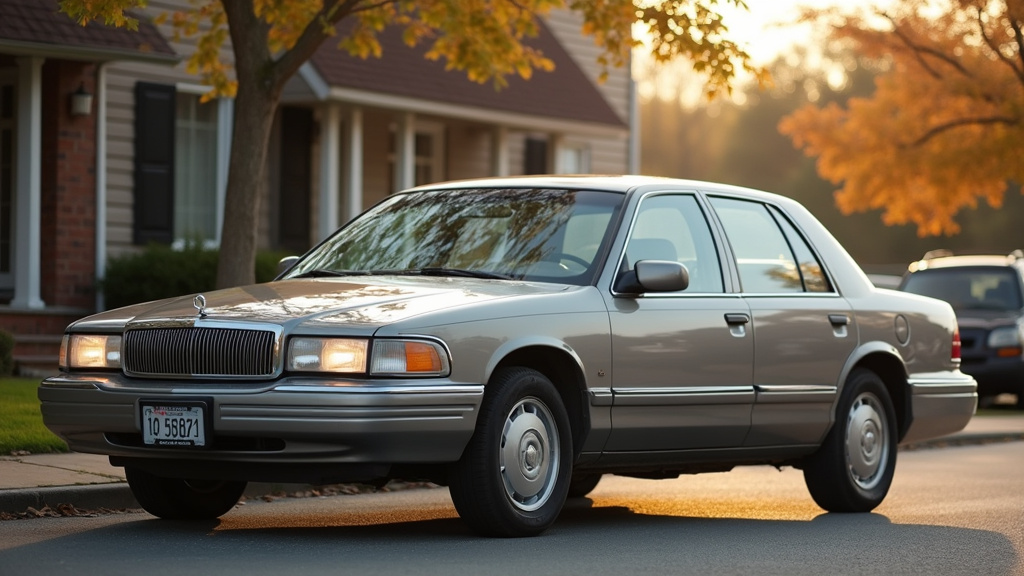
At a glanceAlabama title loans are a type of secured loan where the car's title serves as collateral. Lenders offer these loans to individuals with a car, allowing them to borrow money while keeping their vehicle. It's a quick option for those needing cash, but it comes with risks if you can't repay, as lenders may repossess your car.
Key Takeaways
- Alabama title loans offer a quick cash solution for car owners in need of immediate financial assistance.
- This type of loan allows borrowers to use their vehicle's title as collateral, providing access to funds without traditional credit checks.
- Interest rates and terms can vary significantly among lenders, so thorough research is essential to find the best deal.
- Repayment typically involves weekly or bi-weekly payments, spread over a period of 300 days, making it a short-term financing option.
- While convenient, title loans carry high-interest rates and potential risks, such as repossession if payments are missed, so borrowers should exercise caution.
- Consumers should be aware of local regulations and protect themselves by comparing rates and reading the fine print before taking out an Alabama title loan.
In the dynamic financial landscape of Alabama, individuals often seek creative solutions to bridge short-term gaps. Among the options gaining traction is the concept of Alabama title loans—a non-traditional lending mechanism that leverages the equity in one's vehicle. This practice has emerged as a response to the state's unique economic and social factors, offering a swift and accessible source of capital. However, navigating this alternative financing path requires a keen understanding of its nuances, potential risks, and the regulatory framework that governs it. This article delves into the intricacies of Alabama title loans, providing a comprehensive guide for borrowers and experts alike.
For more on this, Loans Inc team can help.
Understanding Alabama Title Loans: A Comprehensive Guide
In Alabama, understanding Alabama title loans involves navigating a complex set of laws and regulations designed to protect borrowers while providing access to immediate funding secured by a vehicle's title. These loans are intended for short-term financial relief but come with specific terms and conditions that every potential borrower should thoroughly comprehend. The state's Alabama title loan laws and borrower protections are designed to ensure transparency, prevent abusive lending practices, and offer a safety net for those in dire financial straits.
When considering an Alabama title loan, it's crucial to know the borrowing limits. Lenders typically allow borrowers to borrow anywhere from $300 to $5,000 against their vehicle's value, with the exact amount depending on the make and model of the car. Interest rates in Alabama are capped at 28%, which may seem high but is in line with state regulations aimed at keeping costs manageable for borrowers. The repossession rules are also clearly defined, stipulating that lenders must provide written notice and allow a certain period (usually 10-30 days) before repossessing the vehicle for non-payment.
Documentation requirements vary but generally include proof of identity, car registration, and insurance. Interestingly, even those without a steady job can still qualify for Alabama title loans if they can demonstrate their ability to make payments. Early repayment is encouraged as it can save on interest costs, with some lenders offering penalties for paying off the loan early. Alternatives like personal loans or credit cards are worth exploring, especially since they don't require collateral. Refinancing existing loans is an option, but borrowers should carefully consider the new terms and conditions. Defaulting on a title loan in Alabama can lead to repossession of the vehicle and potentially damaging credit effects.
Loansinc.com stands out as a resource for those seeking Alabama title loans, offering transparent fee structures and a step-by-step process that builds a strong case for borrowers. However, it's vital to approach these loans with caution, understanding your rights and obligations fully. A good practice is to compare multiple lenders, ask probing questions, and consider all available options before making a decision.
How Title Loans Work in Alabama: Eligibility and Process
In Alabama, title loans have emerged as a financial option for individuals in need of quick cash, offering a unique secured lending approach. This form of lending involves using a vehicle's title as collateral, providing access to funds for those who may not qualify for traditional loans. Understanding how Alabama title loans work is crucial for borrowers, as it involves navigating specific laws and protections designed to safeguard consumers.
Eligibility and Requirements: Borrowers in Alabama must meet certain criteria to be eligible for a title loan. Lenders typically require a valid driver's license or state ID, proof of vehicle ownership, and the vehicle's title. The vehicle must have significant equity, meaning the loan amount cannot exceed a certain percentage of the car's value, with the exact limit varying among lenders. Unlike traditional loans, your credit score is not the primary factor in approval, making title loans an attractive option for those with less-than-perfect credit.
The Process Unveiled: The process begins with borrowing against your vehicle's title, allowing lenders to retain the title during the loan period. Alabama title loan laws dictate that borrowers must repay the loan, including interest, within a specified timeframe, usually 30 days. Lenders will set the interest rate, and while they are capped at 25% annually, some may offer lower rates. After repayment, the title is released back to the borrower. However, if the loan is not repaid on time, the lender may initiate repossession proceedings, a serious consequence that underscores the importance of timely payments.
When considering a title loan in Alabama, borrowers should carefully review the terms and conditions. Loans Inc, for instance, emphasizes transparency, providing clear fee structures and payment plans. It's advisable to ask questions, such as "How much can I borrow against my car in Alabama?" and understand the entire process, from documentation required to potential fees and consequences of default. By doing so, borrowers can make informed decisions, ensuring they receive the financial support they need without falling into a cycle of debt.
| Factor | What to know |
|---|---|
| Borrowing limits | $300 to $5,000 depending on vehicle value |
| Interest rate cap | Capped at 28% per state regulations |
| Repayment period | Typically 300 days with weekly or bi-weekly payments |
| Repossession notice | Written notice, 10-30 days before repossession for non-payment |
| Required documents | Proof of identity, car registration, and insurance |
| Alternatives | Personal loans or credit cards, which don't require collateral |
Alabama Title Loan Alternatives: Exploring Secure Borrowing Options
In Alabama, when considering short-term financing options, it's crucial to explore secure borrowing alternatives beyond traditional Alabama title loans. While title loans offer quick access to cash secured by your vehicle, they often come with high-interest rates and strict repayment terms. Here, we delve into various options, focusing on borrower protections, flexibility, and long-term financial health.
Understanding Alabama Title Loan Laws and Protections: Alabama has specific regulations in place to safeguard borrowers. The state caps interest rates on title loans at 30% annually, preventing excessive fees from piling up. Repossession rules are also clear-cut; lenders must provide written notice and a hearing before repossessing your vehicle. However, it's essential to understand the full cost of borrowing. While the annual percentage rate (APR) may be capped, other charges like documentation fees and processing costs can add up.
Alternative Financing Options: If you're looking for more favorable terms, several alternatives exist in Alabama:
-
Personal Loans: Many banks and credit unions offer unsecured personal loans with competitive interest rates and flexible repayment periods. These loans don't require collateral but may require a good credit history.
-
Signature Loans: Similar to personal loans, signature loans are unsecured but often have higher interest rates than traditional banking options. They provide quick access but can be more expensive over time.
-
Refinancing or Paying Off Existing Debt: If you already have a title loan and want to reduce costs, consider refinancing with a lower-rate lender or paying off the loan early. This strategy saves on interest and improves your repayment terms.
Document Requirements and Eligibility: Unlike Alabama title loans, many alternative lenders require fewer documents. You may need proof of income, identification, and vehicle registration but can avoid the extensive paperwork associated with title loans. Individuals without a job or poor credit history might still qualify for certain options, although interest rates could be higher.
When exploring these alternatives, carefully consider your financial situation, repayment capacity, and long-term goals. Understanding the full spectrum of borrowing options in Alabama empowers you to make informed decisions, ensuring you access funds that align with your best interests without falling into a cycle of high-interest debt.
Frequently Asked Questions About Alabama Title Loans
What are title loans, and how do they work in Alabama? Title loans are a form of secured lending where the borrower uses their vehicle's title as collateral. In Alabama, this process involves the lender assessing the value of your vehicle and providing a loan amount based on that value. You retain possession of your vehicle but must make regular payments to retain the loan. Upon full repayment, the lender releases the lien on your vehicle's title.
Who is eligible for an Alabama title loan? Eligible borrowers in Alabama typically need to be at least 18 years old, have a valid driver's license, and own a vehicle with a clear title. Lenders may also consider your income and credit history, but bad credit or no credit is usually not an automatic barrier. Each lender has its own eligibility criteria, so it's best to check with several for the best options.
What types of vehicles can be used for title loans in Alabama? In Alabama, any vehicle with a clear title can be used as collateral for a title loan, including cars, trucks, SUVs, and motorcycles. The lender will assess the vehicle's condition, age, and overall value to determine the maximum loan amount. Commercial vehicles and recreational vehicles (like RVs or boats) might not qualify.
How much can I borrow with an Alabama title loan? The loan amount depends on the value of your vehicle. Lenders in Alabama will typically offer loans ranging from a few hundred to several thousand dollars. They evaluate your vehicle's condition and current market value to set the loan limit. It's essential to borrow only what you need to avoid potential financial strain if you're unable to repay the loan.
Are there any early repayment penalties for Alabama title loans? Many Alabama title loan providers do not charge prepayment penalties, allowing borrowers to repay the loan in full at any time without additional fees. However, it's essential to review the terms and conditions of your specific loan agreement, as some lenders might have different policies. Early repayment can help you save on interest charges and potentially improve your credit score.
Can I renew or refinance my Alabama title loan? Renewal and refinancing options are available in Alabama, but they may vary between lenders. A loan renewal extends the term of your existing loan, while refinancing involves taking out a new loan to pay off the old one. Lenders may charge additional fees for these services, so it's crucial to understand the terms and conditions before making a decision.
In exploring Alabama title loans, this comprehensive guide has illuminated key aspects crucial for informed borrowing decisions. Understanding how these loans operate within Alabama's regulatory framework, including eligibility criteria and the step-by-step process, empowers individuals to make secure financial choices. Additionally, recognizing alternative borrowing options ensures that borrowers can navigate the market with confidence, knowing there are varied paths to achieving their financial goals. By synthesizing these insights, readers now possess a valuable toolkit for evaluating Alabama title loans as one of many strategic financial tools, promoting responsible borrowing and fostering long-term financial well-being.
In Alabama, Alabama title loans offer short-term financial relief secured by a vehicle's title, with borrowing limits up to $5,000 and 28% interest rates. Repossession rules are defined, but borrowers must understand costs and terms thoroughly. Alternatives include personal loans, signature loans, and refinancing, which provide more flexible options with varying eligibility criteria. Understanding these choices empowers informed decisions for short-term financing needs.